
Home » Industrial Wastewater Applications » Tubular Ultrafiltration for Separation, Concentration, Purification & Recovery
Home » Industrial Wastewater Applications » Tubular Ultrafiltration for Separation, Concentration, Purification & Recovery

Direct Ultrafiltration: Optimize Your Process with Precision and Purity
As industries advance toward circular economy practices, the need for technologies that enable waste minimization, resource recovery, and water reuse becomes increasingly critical. Tubular UF stands out as a versatile solution, opening new possibilities for efficient separation, concentration, and purification across diverse process fluids, wastewaters, and industrial streams.

Berghof Membranes offers a comprehensive portfolio of tubular membrane modules, available in a variety of dimensions, cut-offs, materials, and chemical–mechanical properties. This allows us to tailor each solution to the specific demands of an application, ensuring maximum efficiency, durability, and cost‑effectiveness.
UF membranes act as an effective physical barrier against suspended solids, colloidal material, emulsified oil, macromolecules, and pathogens. In tubular membrane systems, the feed stream is circulated through the membrane tubes at controlled pressure and velocity, enabling separation of the target compounds. This process separates the feed stream into a clear permeate and a concentrated reject. Thanks to their robust design, tubular membranes can tolerate high solids loading, achieving high concentration ratios while maintaining stable, high permeate fluxes.
Berghof Membranes’ sidestream filtration solutions are designed and built to excel in tough process conditions and a broad spectrum of applications. Thanks to the inherent strength and minimized fouling due to crossflow operation, these systems deliver reliable separation, high-quality permeate, and maximum uptime — making it the smart choice for challenging wastewater and process fluid treatment.
If you are struggling with your industrial wastewater or process streams, looking to implement water reuse, aiming to improve resource management and recover valuable products, or seeking to concentrate waste streams to reduce disposal costs, Berghof tubular UF provides a proven and highly reliable solution. Designed to handle demanding industrial conditions, our tubular ultrafiltration technology delivers stable performance and operational flexibility while offering significant benefits for efficiency, sustainability, and total cost of ownership.
Designed for demanding streams, the tangential flow through large‑diameter membrane tubes continuously sweeps solids along the membrane surface, preventing clogging and ensuring stable, reliable operation even under heavy solids loads.
Crossflow operation sustains the turbulence and shear needed for effective filtration, ensuring reliable performance even with viscous and difficult‑to‑filter streams, enabling efficient filtration where conventional dead‑end systems struggle or fail.
Designed to push concentration limits safely, delivering higher product yields and lower disposal costs without compromising performance.
Efficient mass transfer delivers high permeate flux in compact system designs, reducing space requirements and lowering capital expenditure
Thanks to their high mechanical strength and robust tubular design, Berghof membranes withstand harsh industrial conditions with reduced fouling, leading to fewer cleanings, higher uptime, and longer membrane lifetime.
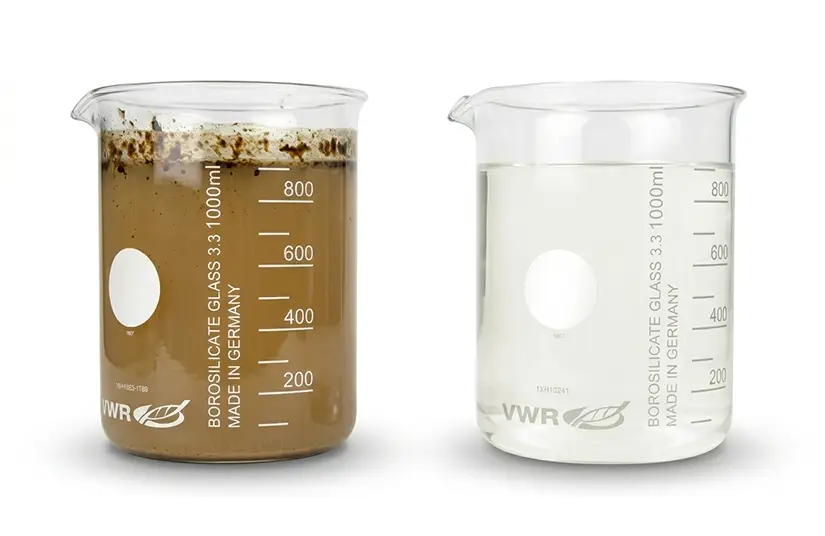
Concentrating waste streams using direct ultrafiltration significantly reduces operating expenses associated with downstream treatment or off‑site disposal. Tubular UF effectively removes suspended solids and organic macromolecules from highly loaded liquid wastes, concentrating pollutants into a smaller volume and simplifying subsequent handling.
Such waste streams are generated across many industries, including cosmetics manufacturing, food processing, and metalworking fluids such as cutting oils, where treatment is often complex, costly, and frequently outsourced to external waste management companies.
Tubular UF is used to concentrate pollutants into a significantly smaller volume, achieving volume reductions of more than 90% in many applications. By doing this, the treatment of the high-loaded waste is highly optimized: for example, the energy consumption of evaporation is greatly reduced. In the same way, when the treatment is done off-site, the hauling and external management costs are cut to a great extent. In the same way, the permeate presents much better quality: sometimes contaminants are reduced sufficiently for discharge; if not, it can be blended with other wastewater streams generated in the facility.
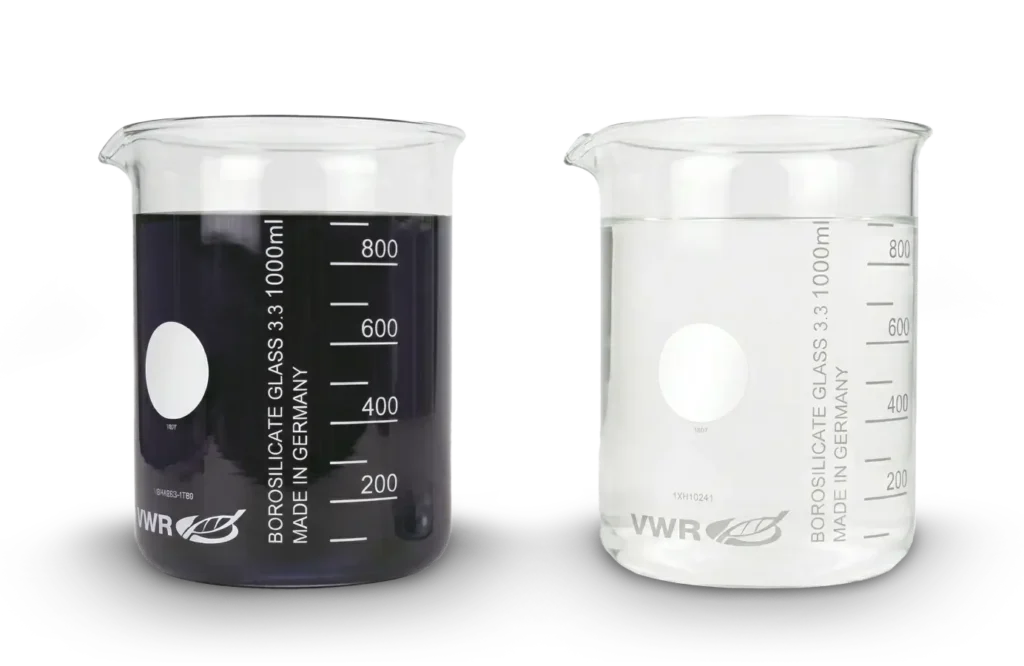
As water stress intensifies and the costs of freshwater supply and discharge fees continue to rise, many factories are turning to tertiary treatment technologies to further polish the effluent from their existing WWTPs. This enables them to reuse the treated water within their industrial processes, achieving significant cost savings and enhancing overall sustainability.
Berghof Membranes provides tubular UF technology equipped with 5 mm membranes designed specifically for tertiary treatment applications. This UF system effectively removes suspended solids and macromolecules remaining after the existing wastewater treatment processes, whether these are conventional aerobic/anaerobic biological systems or physical‑chemical treatments.
Thanks to their capacity to operate efficiently at high solids concentrations, tubular membranes achieve very high water recovery rates — often exceeding 95%. When salt removal is required, the ultrafiltration permeate, with an SDI below 3, can be fed directly to a reverse osmosis system for further purification
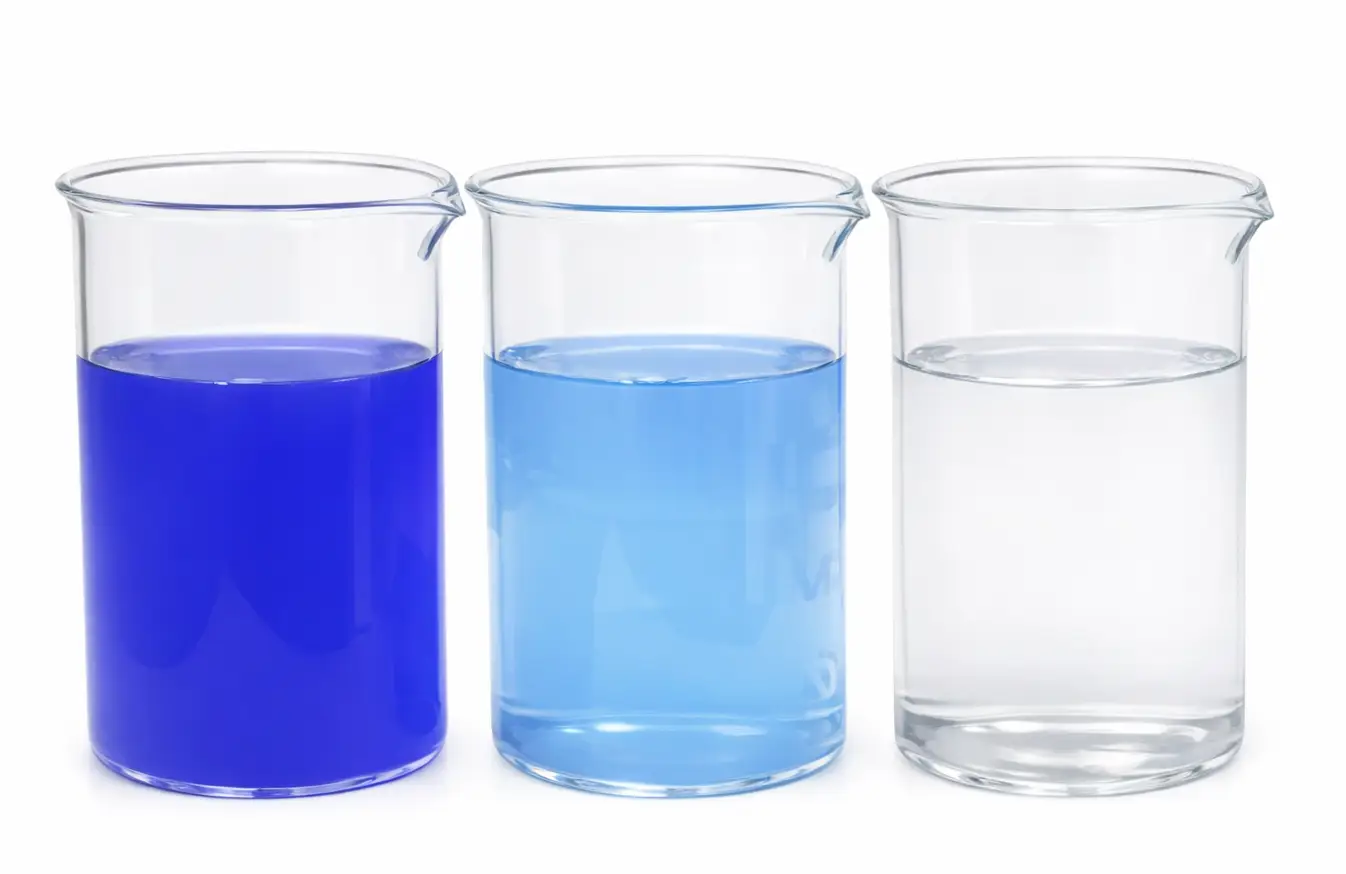
In some applications, the objective is not the permeate but the valuable components retained by the membrane and concentrated in the reject stream. Tubular UF is widely used for the recovery and concentration of high‑value products across various industrial processes. By selecting the appropriate molecular‑weight cut‑off, specific macromolecules can be efficiently separated and concentrated for downstream processing.
Tubular UF technology enables a broad spectrum of applications, including intermediate and final product recovery in chemical processes, dye concentration, and the recovery of high‑value materials in metal processing. With the option to add chemical pre‑treatment, the system can further improve metal or by‑product recovery. And for operations requiring alkaline precipitation, our chemical resistant CR modules deliver robust, stable performance even under high‑pH conditions.
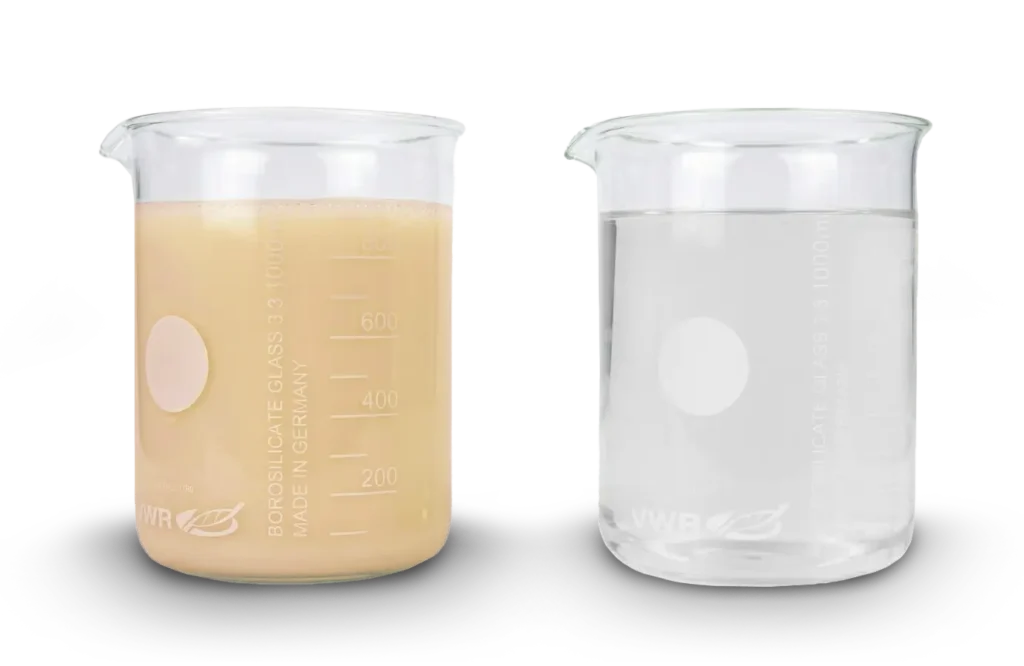
Certain wastewaters contain pollutants that can be removed with direct ultrafiltration: the permeate obtained in the UF system is free of solids, turbidity, and pathogens. Depending on the soluble components present in the wastewater and the discharge requirements, it can be released to the environment, reused, or sent to a post-treatment for removing the dissolved compounds (NF, RO).
Berghof Membranes owns proven experience in the application of direct filtration for the treatment of waste streams, including digestate treatment in biogas plants, landfill leachate treatment, oily water treatment in the automotive industry, and many others.
Many industrial wastewaters contain pollutants that are not effectively addressed by biological treatment processes. In these cases, direct ultrafiltration offers an efficient solution for removing a wide range of target contaminants, including organic and inorganic particles, colloids, oils, and specific macromolecules. For each specific case, you will be supported by Berghof in selecting the optimum membrane cut-off from a broad range of open to tight ultrafiltration options, ensuring the best fit for your application and treatment goals.
Berghof Membranes brings proven experience in a range of industrial wastewater treatment scenarios, including digestate treatment in biogas plants, oily wastewater treatment, clarification of metal finishing waste streams, paint and coating wash water purification and many others. These applications benefit from UF’s ability to reliably separate suspended solids, emulsified oils, and colloidal contaminants, resulting in cleaner effluent and enhanced process efficiency.