
Home » Case Studies » Cheese Factory | AnMBR
Home » Case Studies » Cheese Factory | AnMBR
Location: Ellsworth Menomonie Creamery, Wisconsin
OEM: Complete Filtration Resources Inc.
Application: AnMBR
Capacity: 155 m3/day (41,000 gallons/day)
Membrane: 8 mm, PVDF, backwashable
BOD load: 1,587 kg/day (3,500 lb/day)
Ellsworth Cooperative Creamery is a 250 dairy farm cooperative with over 100 years of experience making artisan cheese in Wisconsin. With three production facilities, the newest one is the Ellsworth Menomonie Creamery (Ellsworth). It started production in early 2022 and is processing approximately 700,000 pounds (~320 tons) of milk, five days a week. This plant is making american-style cheeses in blocks and horns as well as Muenster in loaves.
This greenfield cheese factory was built in Menomonie, Wisconsin and required a wastewater treatment solution for its wastewater stream, before discharging the treated effluent to the city’s sanitary sewer system.
Looking to the future, Ellsworth built a greenfield facility with future expansion already in mind. They needed a reliable wastewater treatment process with one main requirement: it had to be easily expandable to meet future increases of flow and organic load.
As is typical in the Dairy Industry, Ellsworth’s wastewater presented high organic content, with an average BOD (Biological Oxygen Demand) of 6,500 mg/L. Load variability and presence of FOG (Fats, Oils and Grease) were additional noteworthy features that had to be considered when selecting the optimum treatment solution. Finally, apart from fulfilling the local requirements for sewer discharge, the main goal was to design a system that could easily expand to meet future demand.
The core technology of the turnkey wastewater treatment facility delivered by Complete Filtration was the Anaerobic Membrane Bioreactor (AnMBR) process. In the AnMBR, Berghof tubular ultrafiltration (UF) membranes are coupled to a Continuous Stirred Tank Reactor (CSTR) digester, allowing the system to handle high organic loading rates while producing a high quality permeate that has no measurable TSS (Total Suspended Solids). It is noteworthy that since the AnMBR can handle high FOG, there is no need for a DAF (Dissolved Air Flotation) upstream of the AnMBR process. Complete Filtration has optimized their AnMBR process over many years of operation to treat high strength and high FOG waste that is common in milk processing applications.
Berghof membranes ensure the complete retention of the biomass within the anaerobic digester and bring a significant improvement in the digestion process, making it more robust, reducing the footprint, and increasing biogas production. In the dairy industry, AnMBR technology offers major advantages over other anaerobic technologies:
As a major requirement, the system was designed with future expansion in mind, by saving space for installing additional membranes to allow for an increase in hydraulic load. Compared with other technologies, AnMBR offers significant benefits in terms of footprint requirements: high organic loading rates reduce the digester volume and the external UF provides a robust and stable filtration, allowing higher design fluxes and minimizing the membrane surface area required. Additionally, DAF pretreatment is avoided, which results in footprint savings, sludge management costs and maximized conversion of organics into biogas.
Although the BOD loading might be on the low end of anaerobic digester applications, this technology was chosen for a few reasons. First, cheese production wastewater is the perfect substrate for anaerobic digestion as it has easy to degrade organics and high protein content allowing natural buffering without excessive caustic consumption. This process can handle frequent swings in hydraulic and BOD loading of 1.5 x and 2.5 x the design basis, respectively.
This technology allows Ellsworth to comfortably meet the City of Menomonie’s discharge limits in single treatment step. On top of that, it produces significantly less sludge and consumes less electricity than a conventional aerobic system. The AnMBR consistently achieves high effluent quality with an overall BOD removal efficiency of > 99.5 %: with 1,587 kg BOD/day (3,500 lb/day) influent load, the system is discharging less than 3.4 kg BOD/day (7.5 lb/day).
The implementation of the AnMBR has provided Ellsworth with a robust treatment process, proving to be a highly efficient and innovative solution for cheese manufacturing wastewater treatment.
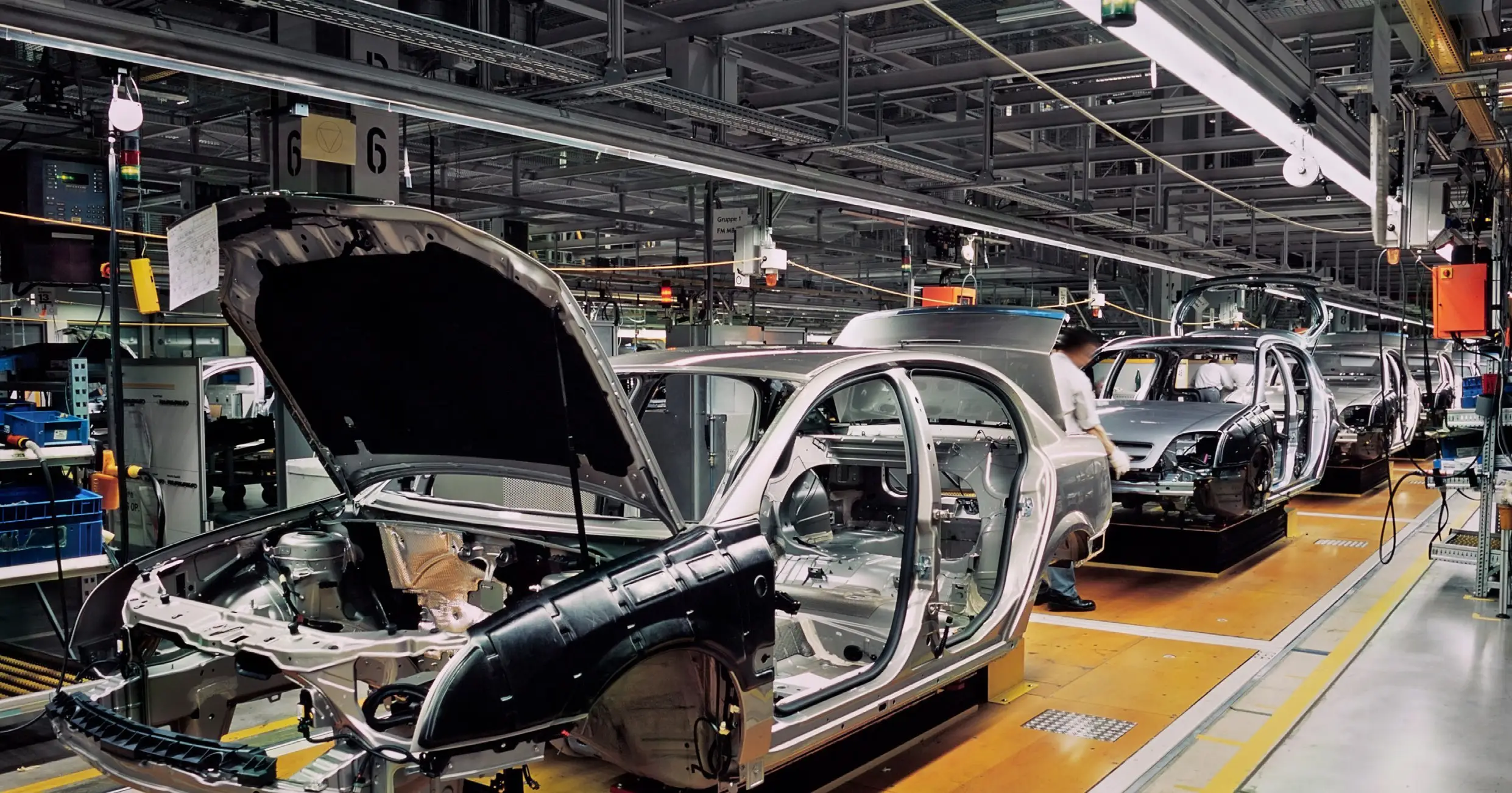
Learn how tubular ultrafiltration membranes helped an automotive manufacturer treat variable wastewater streams and support water reuse goals.

This case study highlights how an advanced MBR system tackles highly contaminated landfill leachate, delivering stable treatment performance and high-quality effluent for strict discharge requirements.

This case study shows how an MBR system efficiently treats tannery effluent, reduces fouling, and enables high water reuse in leather manufacturing processes.